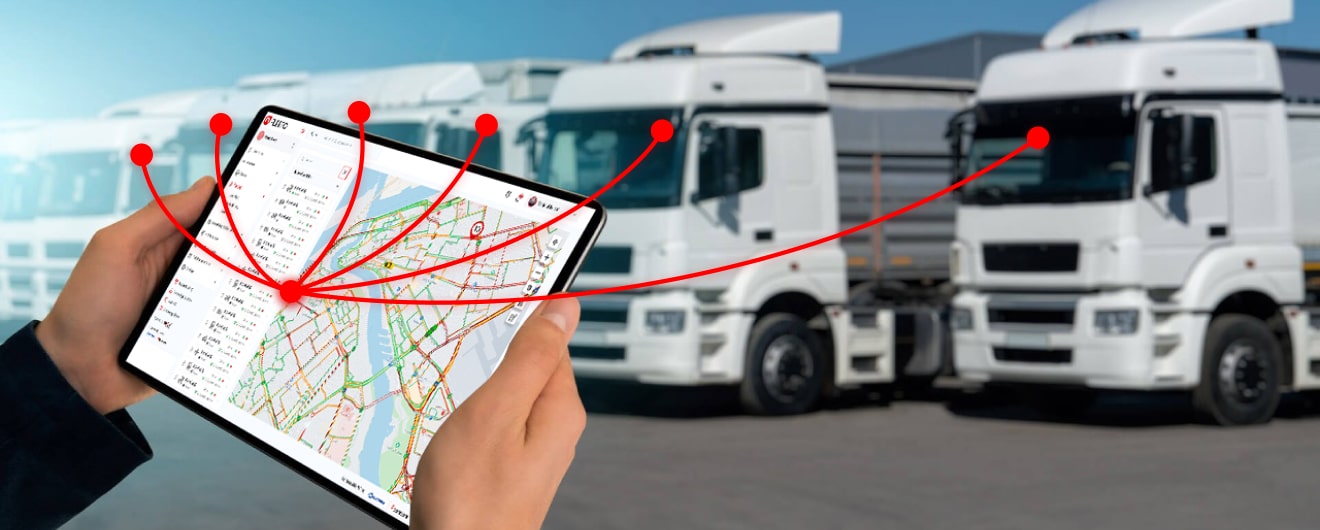
Have you ever seen a procession of delivery vans and wondered how anybody can tell which one of them to follow? This is where a fleet management system comes in—small, efficient and it will not require a round of applause. It is like an extra pair of eyes that will never shut their eyes, keeping all the cars, drivers and routes on their toes as the rest of the team simply relax.

Imagine the following: ten cars, fifty deliveries, and one hiccup, say, a flat tire in the middle of rush hour. And that would have been a complete mess prior to systems such as these. It is now instantly visible to the managers, and they can reroute another vehicle or send help before even the customer notices. It contains some tech magic as well as common sense. And when you have it, you know how you never knew how you could have lived without it.
The smartest fleets are not horsepower-powered but information-powered. A proper system will monitor the fuel consumption, maintenance requirements, and the driver habits in a very cool package. It identifies trends that human beings may fail to see. Perhaps one of the drivers consumes more fuel since he/she takes too long to start. Perhaps there is some path that never makes deliveries on time. The program will not complain; it will display to you the errors that are wrong so that you can correct them.
What is interesting is that these systems make small changes big wins. Here save a couple of liters of fuel, here prevent a breakdown, here and there, it all adds up. Companies are plunging into the situation where their expenses are reducing and productivity is on steroids. It is efficiency that does not boast, but boy does it perform.
The truth? A fleet management system does not simply monitor the vehicles. It keeps business going—sure and intelligent and one step ahead of tomorrow.