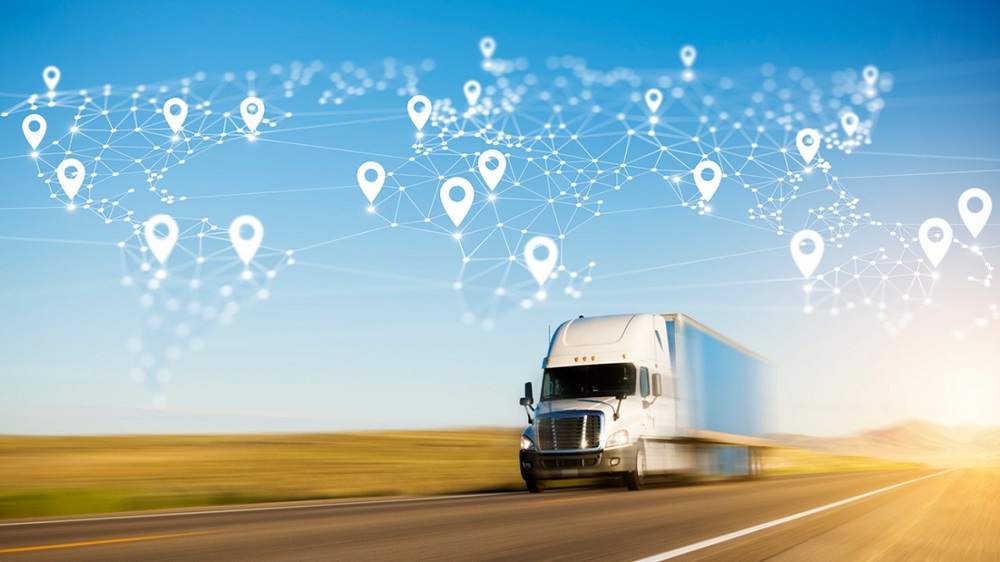
Transportation is shifting fast. Margins are tight. Expectations are higher than ever. In that pressure cooker, fleet tracking management is stepping forward as the quiet force reshaping how companies measure performance and responsibility. It turns daily movement into visible patterns, and those patterns tell the truth whether we like it or not.

Productivity used to be judged by rough estimates. How many deliveries were completed. How long routes seemed to take. Now, real time data paints a sharper picture. Managers can see route efficiency, idle time, fuel usage, and stop durations without chasing phone calls. That visibility trims wasted hours. If one vehicle consistently lags behind, the reason surfaces quickly. Traffic congestion, inefficient routing, or driving habits all show up in the numbers. Fixing small leaks prevents larger losses later.
The future of these systems goes beyond simple location tracking. Predictive insights are becoming standard. Historical data reveals trends before they become problems. If maintenance patterns indicate rising wear on certain vehicles, service can be scheduled early. Breakdowns decline. Downtime shrinks. Productivity rises because vehicles stay active instead of parked in repair bays.
Accountability strengthens at every level. Drivers know their routes and behavior are recorded. That awareness encourages steadier speeds and fewer unnecessary detours. At the same time, data protects them from false claims. If a customer insists a delivery arrived late, timestamped records clarify what happened. Accountability stops being one-sided. It becomes shared and balanced.
Dispatch teams also operate differently. Instead of reacting to chaos, they respond with precision. A delay appears on the screen, and adjustments happen immediately. There is less scrambling. Fewer frantic calls. Decisions rely on evidence. That calm efficiency filters through the entire organization.
The road ahead demands sharper coordination and higher standards. Fleet tracking management provides the structure to meet those demands without overwhelming teams. Productivity climbs because inefficiencies are exposed early. Accountability strengthens because actions are recorded clearly. Over time, that combination builds operations that are leaner, more disciplined, and prepared for whatever comes next.